

Blog
Surprising Truth: Why Does Weed Make You Hungry?

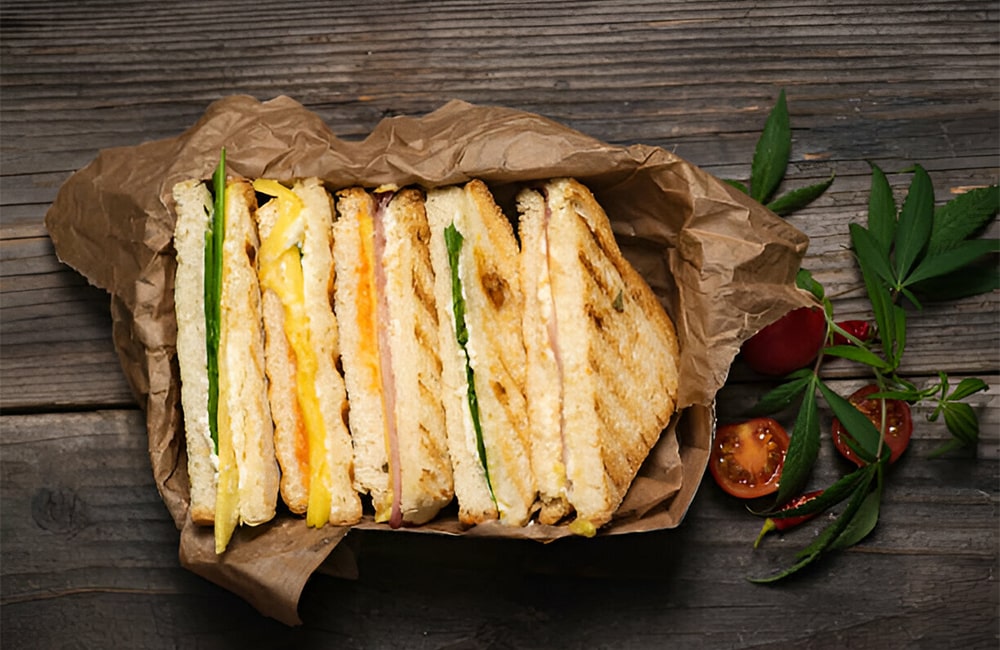
For many, cannabis and appetite go hand-in-hand, leading to what’s commonly referred to as “the munchies.” Whether you’ve experienced it yourself or just heard friends rave about it, this phenomenon is more than just a running joke in pop culture. But why does Weed Make You Hungry? The answer lies in the fascinating science of how cannabis interacts with your brain and body.
From its effects on specific brain systems to its role in stimulating hunger hormones, this blog uncovers the truth behind one of cannabis’ most well-known side effects. Let’s explore how THC, the endocannabinoid system, and science work together to turn your favorite snacks into irresistible treats.
What Are “The Munchies”?
You’ve probably seen movies where someone smokes cannabis and immediately raids the fridge or devours an entire bag of chips. This uncontrollable craving to eat, often for snacks high in sugar or fat, is what we lovingly call “the munchies.”
It’s not just a playful stereotype—it’s something cannabis users widely report experiencing. Interestingly, this effect isn’t random. It’s rooted in the way marijuana alters your body’s normal processes, specifically those that regulate hunger and taste perception. The term “Weed Make You Hungry” resonates strongly here, as it encapsulates the essence of these appetite-boosting effects.
But this raises a few questions. Why does it make you feel so hungry? And why does food often taste better when under the influence of cannabis? The answers are surprising and backed by compelling research.
The Science Behind Cannabis and Appetite
THC’s Role in Stimulating Hunger
Cannabis contains various active compounds, but one of the most well-known is THC (tetrahydrocannabinol). THC is the chemical responsible for the “high” people associate with marijuana. It also plays a critical role in kickstarting your appetite and explains why Weed Make You Hungry.
When you consume cannabis, THC interacts with specific receptors in your brain found in the endocannabinoid system (ECS). The ECS is like the body’s communication network, regulating essential functions like mood, appetite, memory, and sleep. THC specifically binds to cannabinoid receptor 1 (CB1), which has a significant influence on your sense of hunger.
How THC Tricks Your Brain
When THC activates CB1 receptors, it sends misleading signals to your brain, essentially telling it that you’re hungry—even if you just ate a large meal. Research has shown that THC increases the production of a hormone called ghrelin, the one your stomach naturally uses to tell your brain it’s time to eat. This is one of the key reasons Weed Make You Hungry, giving rise to those irresistible cravings.
Additionally, studies suggest that THC enhances the release of dopamine, the feel-good hormone. This not only makes you feel happier but also amplifies your enjoyment of food, making every bite taste like a gourmet masterpiece.
What’s more, THC stimulates the brain’s reward system—specifically the olfactory bulb—intensifying your sense of smell and taste, which makes food more appealing and flavorful.
Why Does Cannabis Make Junk Food Even More Tempting?
Now that we know THC sparks hunger and heightens your senses, it’s easy to see why sugary, fatty, or salty foods suddenly become irresistible. Cannabis users often gravitate toward snacks like chips, cookies, or candy because they provide immediate gratification. THC makes these indulgences taste even better than usual, feeding into the munchies cycle and helping answer why Weed Make You Hungry in such an impactful way.
Interestingly, this love for junk food might also be psychological. Social norms and cultural references surrounding cannabis often portray it alongside heaping piles of comfort food. That image alone can subconsciously influence your cravings.
However, this isn’t to say everyone only craves junk food while consuming cannabis. Some people find themselves drawn to other options like fruit, smoothies, or even full home-cooked meals. Personal preferences play a role, but the heightened appetite effect is nearly universal.
The Cultural Significance of the Munchies
The munchies have worked their way into mainstream culture, becoming a defining aspect of the cannabis experience. Movies, music, and comedy routines frequently reference late-night snack runs or over-the-top cravings, offering a relatable laugh for users.
For example, TV characters like Harold and Kumar turning their cannabis-induced cravings into a wild mission for burgers reflect the shared experience of the munchies. It’s become more than a side effect; it’s a cultural touchstone that brings cannabis enthusiasts together.
Beyond entertainment, the appetite-boosting properties of cannabis have also proven medically significant, especially for people suffering from conditions that suppress their desire to eat—like cancer or HIV/AIDS. Here again, Weed Make You Hungry becomes more than a casual experience; it offers meaningful relief for those who need it most.
Understanding THC and Potential Health Implications
While the munchies can be amusing and even therapeutic, there’s an important side to consider. Eating excessively (especially high-calorie snacks) after consuming cannabis could lead to weight gain over time if it becomes a habit. Moderation is key.
On the bright side, some experts argue that THC’s effects on hunger can be potentially beneficial. For example:
Medical Cannabis and Appetite Stimulation
Cannabis has been prescribed to people with poor appetite due to medical conditions or treatments like chemotherapy. By stimulating hunger, it helps these patients maintain proper nutrition when eating feels like a struggle.Cannabis and Athletic Recovery
While less studied, some athletes use cannabis post-workout to rebuild energy stores and repair muscles, as it promotes calorie intake and relaxation.
That said, anyone concerned about unintentional weight gain or poor food choices should be mindful of how they approach post-cannabis cravings. Opting for healthier snacks like fruit, nuts, or yogurt can make a difference. A clear understanding of why Weed Make You Hungry can assist in managing those cravings wisely.
Breaking the Stigma Around Cannabis and Appetite
Cannabis, whether recreational or medical, has faced its fair share of stigma over the years. For some, the image of a “stoner” with the munchies serves as a tool to perpetuate negative stereotypes about cannabis users. But this simplistic view glosses over the science and the many positive ways the appetite-inducing effects of cannabis benefit both casual users and those with medical needs.
Understanding the connection between THC and hunger helps break down these stereotypes. Weed Make You Hungry, yes, but it does so in ways that highlight the unique and meaningful interaction between cannabis and the human body.
Tips for Navigating the Munchies
If you’re looking to enjoy cannabis without the guilt of overindulging, here are a few practical tips:
Prepare Snacks in Advance
Make healthier snack options available before you consume cannabis. Cut-up veggies, fruit, or hummus make satisfying choices that won’t leave you feeling sluggish afterward.Stay Hydrated
Sometimes, you might confuse thirst with hunger. Drinking plenty of water can help balance out the cravings.Practice Mindful Eating
Instead of mindlessly chowing down, pay attention to what you’re eating. Try smaller portions and savor every bite.Explore High-CBD Strains
Unlike THC, CBD isn’t known for triggering hunger. If you’re looking to avoid the munchies entirely, strains high in CBD and low in THC could be a great alternative.
A Final Bite to Chew On
The munchies stem from marijuana’s unique ability to tap into your brain’s hunger and reward systems, making even the simplest foods feel like a euphoric experience. Whether you view this effect as a delightful bonus or an occasional downside, understanding why Weed Make You Hungry sheds light on the powerful interaction between cannabis and the human body.