Blog
Does Weed Expire? Discover the Signs of Bad Cannabis

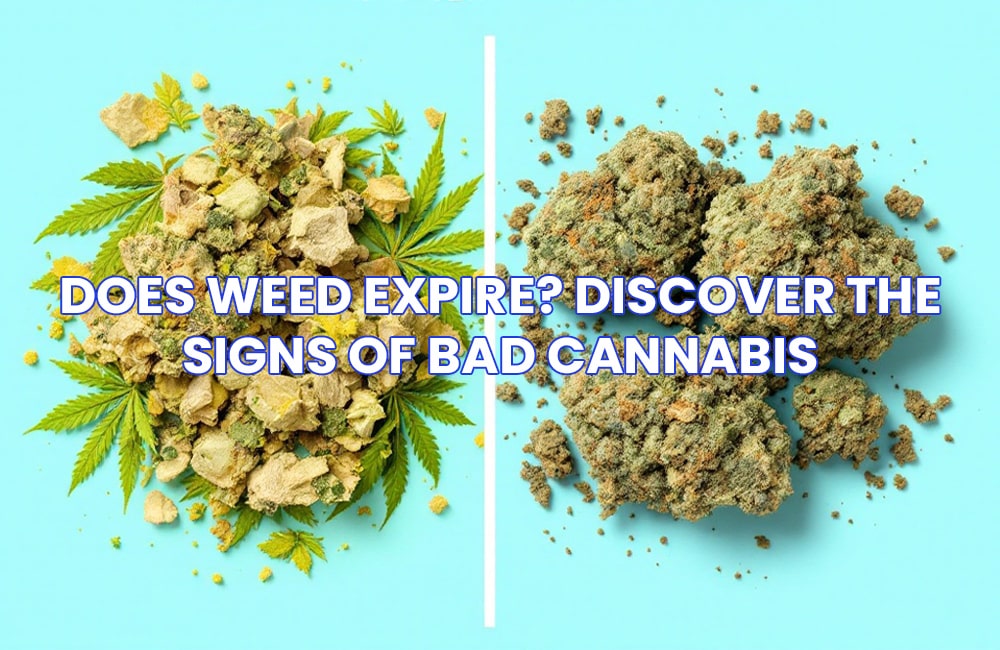
Cannabis enthusiasts, beginners, and seasoned users alike often wonder—does weed expire? If you’re investing in quality cannabis, it’s essential to ensure that your stash remains fresh, potent, and safe to consume. While cannabis doesn’t spoil the same way perishable foods do, it can degrade over time. Understanding what makes weed go bad and recognizing the telltale signs of expired cannabis are crucial for both quality and safety. Let’s explore everything you need to know, from factors affecting the shelf life of cannabis to proper storage techniques that can help maintain its integrity.
Does Cannabis Expire? The Basics You Need to Know
Though cannabis doesn’t carry an official expiration date, it’s not immune to the effects of time. Over months (or even years) of improper storage, your herb’s cannabinoids and terpenes can degrade, rendering it less effective and enjoyable. Picture it like a fresh loaf of bread—over time, it can dry out or become stale if not stored correctly. For cannabis, the stakes are even higher, as consumption of expired weed may reduce the experience and, in some cases, carry health risks.
Why is it so important to know if cannabis expires? Whether you’re a casual user or a medical cannabis patient, consuming old or improperly stored weed can affect the potency of cannabinoids like THC and CBD, as well as alter the overall flavor. For medical users in particular, expired weed may not deliver the therapeutic effects you’re relying on. But don’t worry—identifying bad weed is more straightforward than you might think.
Factors That Affect the Shelf Life of Cannabis
How long does cannabis actually last? The shelf life varies widely based on how it’s stored. While well-preserved cannabis can remain fresh and potent for 6 months to a year under ideal conditions, factors like light, moisture, air, and temperature can speed up its deterioration. Here’s how each factor impacts your weed’s longevity:
1. Light Exposure
UV light is one of the biggest enemies of cannabis. Overexposure to sunlight can degrade cannabinoids and terpenes, leading to weaker potency and diminished aroma. A classic study found that cannabis stored in the dark retained its potency for up to two years, making light protection a top priority.
2. Moisture
Moisture levels play a huge role in cannabis preservation. If your storage environment is too humid, your weed risks developing mold or mildew—both of which can make it unsafe to consume. Conversely, excessively dry conditions can turn those sticky buds brittle, robbing them of their flavor and cannabinoids.
3. Air Exposure
Cannabis needs to breathe, but not too much. Oxygen exposure can accelerate the degradation of cannabinoids, causing your weed to lose potency over time. Airtight containers are key to controlling this factor.
4. Temperature
Temperatures that are too high can dry out your cannabis and lead to terpene evaporation, leaving you with a bland, flavorless product. Ideal storage temperatures fall between 60–70°F to keep your stash fresh.
By managing these variables, you can make a significant difference in your cannabis’s shelf life and quality.
Signs That Cannabis Has Gone Bad
Even with the best intentions, cannabis can sometimes go bad. How do you tell if it’s no longer good to smoke or use? Keep an eye on these key indicators:
1. A Funky or Off-Putting Smell
Fresh cannabis is known for its pungent, earthy aroma, thanks to the terpenes responsible for its distinct fragrance. When weed expires, these terpenes break down, leaving behind little to no scent—or worse, a musty, mildew-like smell. If your weed’s aroma has faded or turned foul, it’s probably past its prime.
2. Changes in Appearance
Your eyes can often tell you what your nose might not. Moldy cannabis will typically have white, gray, or black fuzzy spots—clear signs of contamination. Additionally, weed that looks dry, crumbly, and faded in color has likely lost its potency and flavor.
3. Dry or Brittle Texture
Quality cannabis feels slightly sticky and pliable due to its resin and oil content. If your weed feels bone-dry or crumbles to dust when you handle it, it’s well past its peak. On the flip side, overly wet or spongy weed can indicate moisture problems and an increased chance of mold.
4. Weak Potency
Cannabinoids like THC lose their strength over time. If you find that your usual dose doesn’t seem effective anymore, your cannabis may have degraded. This often happens when weed is stored improperly for long periods.
By checking these signs, you can confidently decide whether your cannabis stash is still good or ready to hit the trash.
Tips for Proper Cannabis Storage
To extend the shelf life of your cannabis and maintain its quality, it’s all about proper storage. Here are some practical tips to help keep your weed fresh, fragrant, and potent:
1. Use Airtight Containers
Glass jars with airtight lids are a classic choice for a reason. They create a controlled environment that minimizes air exposure, keeping your cannabis fresher for longer. Avoid storing weed in flimsy plastic bags, as they can allow oxygen to seep in.
2. Store in a Cool, Dark Place
Remember that light and temperature can degrade cannabinoids and terpenes over time. Keep your weed stored in a cool, dark location, like a drawer or cupboard, away from direct sunlight and heat sources.
3. Control Humidity Levels
Invest in humidity control packs designed for cannabis storage. These handy tools help maintain the ideal relative humidity (RH) of 58%–62%, preventing mold growth while preserving your weed’s texture and flavor.
4. Avoid the Fridge or Freezer
While it might seem like a good idea, storing cannabis in the fridge or freezer can backfire. Fluctuating temperatures and frost can damage trichomes, the tiny crystals that hold all the good stuff like THC and CBD. Stick to stable room-temperature storage instead.
5. Label Your Stash
If you have multiple strains or a tendency to stock up, label your containers with the purchase date and strain name. This makes it easy to keep track of freshness and rotate your stock as needed.
By following these tips, you can significantly improve the shelf life of your cannabis and ensure every session is as enjoyable as the first one.
Risks of Consuming Expired Cannabis
What happens if you accidentally smoke expired weed? While it’s unlikely to be deadly, it’s not without risks. Moldy cannabis is a common concern; inhaling mold spores can lead to allergies, respiratory infections, or more severe health issues for those with weakened immune systems. Even if there’s no mold present, consuming degraded weed often results in a diminished experience, with poor flavor and reduced potency.
For medical patients, expired cannabis is especially problematic. Consuming weed past its prime may not deliver the desired therapeutic effects, potentially leaving patients without adequate symptom relief.
To avoid these risks, always check for signs of spoiled weed and prioritize proper storage to keep your cannabis in tip-top shape.
Fresh Cannabis = Better Enjoyment
At the end of the day, fresh cannabis is the key to a great experience. Knowing how to spot expired weed, what causes it to degrade, and how to store it properly helps you get the most out of your stash. Whether you’re savoring a citrusy sativa or a relaxing indica, keeping your cannabis in peak condition is worth the effort. Remember—just like with any prized possession, a little extra care goes a long way.