
Blog
CBD Oil for Ulcers: Miracle Cure or Hidden Risk?

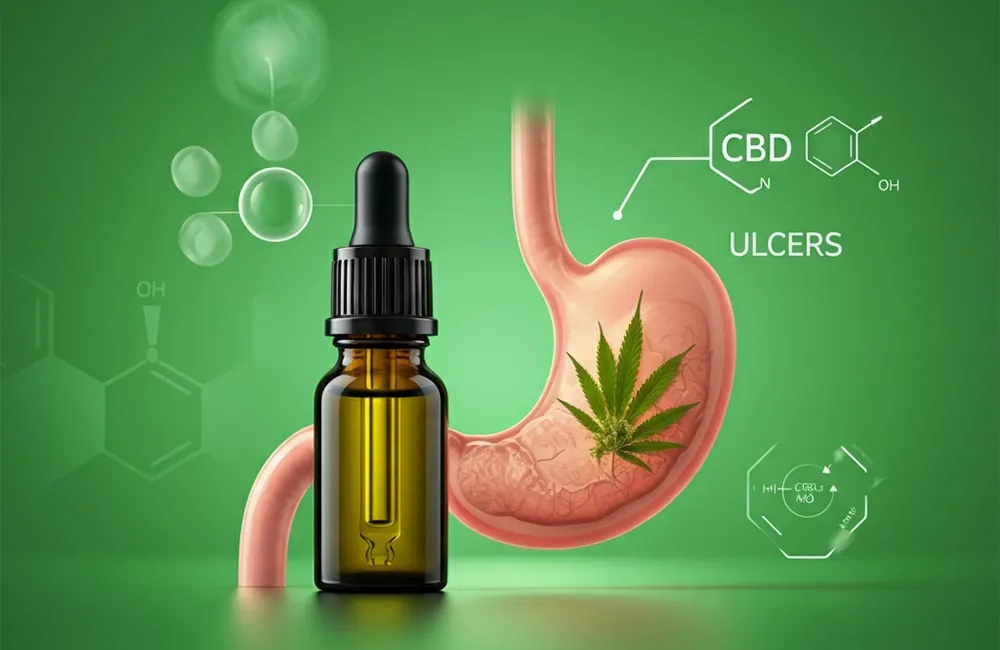
When dealing with ulcers, many people turn to natural remedies for relief. Over recent years, CBD oil has emerged as a potential go-to for a wide variety of health concerns, from chronic pain to anxiety. But can it help with ulcers? Or does it come with hidden risks? Understanding how CBD oil interacts with the body and whether it can soothe or aggravate ulcers is essential for anyone considering this treatment option. Let’s explore the benefits, risks, and the science behind using CBD oil for ulcers.
What Are Ulcers?
Before we get into CBD, it helps to understand what ulcers are. Ulcers are painful sores that can develop on the stomach lining (peptic ulcers), small intestine, or esophagus due to damage from stomach acid. The most common causes include bacterial infections, specifically Helicobacter pylori (H. pylori), and the long-term use of NSAIDs like ibuprofen and aspirin. Stress and spicy foods are often blamed but aren’t direct causes, though they can make symptoms worse.
Symptoms of ulcers can range from mild discomfort to severe pain, including bloating, nausea, and loss of appetite. If left untreated, ulcers can lead to complications such as internal bleeding, perforation, and even an increased risk of stomach cancer. Traditional treatments include antibiotics, acid blockers, or proton pump inhibitors, but many people now look for natural remedies, such as CBD oil, for relief.
What Is CBD Oil?
Cannabidiol (CBD) is one of the many active compounds found in the cannabis plant. Unlike THC, CBD is non-psychoactive, meaning it won’t get you “high.” Instead, CBD interacts with the body’s endocannabinoid system (ECS), which plays a role in regulating numerous functions, including pain, inflammation, and digestion.
CBD oil, in particular, has gained immense popularity as a natural supplement. It’s available in various forms like tinctures, capsules, edibles, and topical creams, making it easy for individuals to add to their daily wellness routines. But, when it comes to its ability to treat ulcers, does the hype stand up to scrutiny?
Can CBD Oil Help with Ulcers?
Anti-Inflammatory Properties
Inflammation is a significant issue in ulcer development and healing. Studies suggest that CBD possesses potent anti-inflammatory properties, which may contribute to ulcer relief. By interacting with the ECS, CBD might help regulate inflammatory responses in the stomach, reducing the irritation and swelling that exacerbate ulcers.
For example, a preclinical study on animals showed that cannabinoids could help protect the stomach lining from damage caused by NSAIDs. While promising, it’s worth noting that more high-quality human studies are needed to confirm these effects specifically for ulcer treatment.
Pain Relief
Chronic pain is one of the most frustrating symptoms for people with ulcers. CBD is widely recognized for its pain-relieving properties, potentially making it a helpful addition to traditional treatments. By targeting pain pathways in the nervous system, CBD might provide relief without the harsh side effects of opioids or NSAIDs, which, ironically, can worsen ulcers.
Stress and Anxiety Reduction
Stress might not cause ulcers, but it can certainly make them worse. Ongoing stress leads to the overproduction of stomach acid, which irritates the ulcer further. CBD is well-known for its calming effects and its ability to lower anxiety levels. If stress is a significant factor in your condition, incorporating CBD oil might help create a more conducive environment for healing.
Antibacterial Properties
H. pylori, the bacteria responsible for many ulcers, is notoriously hard to eradicate. There’s growing evidence to suggest that CBD has antibacterial effects. While it’s unlikely to replace antibiotics in the treatment of bacterial infections, its potential to support traditional therapies could benefit individuals with H. pylori-induced ulcers.
Gut Health and ECS
The ECS plays a crucial role in maintaining gut health, and CBD’s interaction with it may offer benefits for people suffering from gastrointestinal issues like ulcers. Research is ongoing, but some experts believe that CBD oil could help restore balance to the gut by promoting healthy digestion and reducing irritation.
Risks and Considerations
Despite its promising potential, it’s essential to recognize the risks and limitations of CBD oil for ulcers. Here are some points to consider:
Potential Side Effects
CBD is generally considered safe, but it can cause side effects in some people. These include diarrhea, fatigue, dry mouth, and changes in appetite. For individuals with ulcers, stomach sensitivity may increase, so it’s crucial to start with a low dose.
Drug Interactions
If you’re already on ulcer medication, CBD could interact with it. For example, CBD may alter how the liver processes certain drugs, potentially making them more or less effective. Always consult your healthcare provider before adding CBD to your regimen.
Lack of Human Studies
Most research exploring the effects of CBD on ulcers is still in its early stages. While animal studies and preliminary data are encouraging, they don’t provide a definitive answer for humans. High-quality clinical studies are needed before we can fully understand whether CBD oil is safe and effective for ulcer treatment.
Quality of CBD Products
Not all CBD products are created equal. Poor-quality oil may contain contaminants or inaccurate dosing, both of which could be harmful, especially for sensitive stomachs. To minimize risks, always choose a trusted brand that provides third-party testing for purity and potency.
Should You Try CBD Oil for Ulcers?
While CBD oil shows potential for managing inflammation, pain, and stress—key factors in ulcer treatment—it’s not a guaranteed “miracle cure.” For now, it’s best used as a complementary approach alongside traditional ulcer treatments prescribed by your doctor.
If you’re considering CBD oil for ulcers:
- Consult a Healthcare Professional – Your doctor can guide you on whether CBD is safe for your specific condition.
- Start Small – Begin with the lowest recommended dose and evaluate how your body responds before gradually increasing.
- Choose High-Quality Products – Look for organic, third-party-tested CBD oil to ensure safety and effectiveness.
- Monitor Symptoms – Keep track of how CBD affects your ulcer symptoms and report any notable changes to your doctor.
Final Thoughts
The question “CBD Oil for Ulcers: Miracle Cure or Hidden Risk?” doesn’t have a black-and-white answer—at least not yet. While early evidence shows promise, especially for its anti-inflammatory and pain-relieving effects, more research is needed to establish whether CBD oil is truly effective as a standalone treatment for ulcers.
What’s clear is this: CBD oil offers potential relief for some of the symptoms tied to ulcers, like inflammation and pain, but it’s not without risks. If you’re interested in natural remedies for ulcers, CBD could be an option to explore—but only under the guidance of a healthcare professional. Your health is worth every ounce of caution you take!